


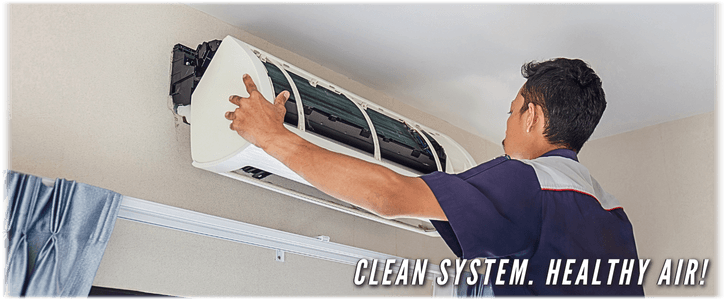
Rooms that never seem to reach the desired temperature may be experiencing problems within the ventilation system, making HVAC mold removal in The Colony, TX a helpful way to uncover airflow restrictions, leaks, or damaged connections. Aging ductwork can develop weaknesses through regular HVAC use, causing conditioned air to escape before reaching its intended destination. Our team examines accessible duct components and provides practical recommendations based on your home’s specific needs. Call (945) 293-1736 today to discuss your ventilation concerns.
Professional HVAC Mold Removal in The Colony, TX
Your heating and cooling equipment circulates air throughout your home. However, excess moisture can encourage mold growth on suitable surfaces inside the system.
Our technicians examine accessible HVAC components for visible contamination and moisture problems. Additionally, we check surrounding areas for condensation, drainage issues, and accumulated debris.
Homes near Stewart Peninsula, The Tribute, and Austin Ranch experience demanding summer cooling conditions. Furthermore, properties throughout the 75056 ZIP code often rely on air conditioning for extended periods.
As a result, regular maintenance and moisture management play important roles in preventing recurring contamination.
Warning Signs of Mold Inside Your HVAC System
Mold problems sometimes develop in areas homeowners rarely inspect. Fortunately, certain warning signs can help you recognize potential contamination before it spreads.
When to Consider HVAC Mold Removal in The Colony, TX
Persistent musty odors: Unpleasant smells near supply vents may indicate moisture or microbial contamination.
Visible discoloration: Dark or unusual growth around accessible HVAC surfaces deserves professional evaluation.
Recurring condensation: Excessive moisture near cooling components can create favorable conditions for mold.
Clogged condensate drains: Drainage restrictions may allow water to accumulate inside cooling equipment.
Repeated moisture problems: Ongoing dampness can encourage contamination even after routine cleaning.
However, these symptoms do not automatically confirm mold. Therefore, qualified assessment helps determine the actual cause before remediation begins.
Our Approach to HVAC Mold Remediation
Effective mold management requires more than wiping away visible spots. Instead, professionals must address contamination while identifying the moisture conditions that support growth.
Inspection, Cleaning, and Moisture Control
First, technicians review accessible components and identify areas requiring further evaluation. Next, they assess visible moisture sources and determine appropriate remediation procedures.
Depending on the findings, professional air conditioner mold cleaning may address suitable nonporous surfaces and accessible equipment components.
Additionally, technicians may recommend evaporator coil cleaning when dust and moisture buildup affect cooling equipment.
Porous materials with significant contamination may require replacement rather than surface cleaning. Furthermore, extensive contamination may require specialized containment and qualified remediation professionals.
Finally, we explain our findings and recommend practical steps to reduce recurring moisture problems.
Why Moisture Control Matters in North Texas
The Colony experiences hot summers and periods of elevated humidity. Consequently, cooling systems regularly produce condensation while removing moisture from indoor air.
When drainage problems develop, excess water can collect around HVAC components. Additionally, poorly insulated duct surfaces may experience condensation under certain conditions.
Proper maintenance helps homeowners identify these concerns before they create larger problems. However, cleaning alone cannot prevent mold from returning if moisture sources remain.
Related maintenance services include air duct cleaning, ductwork inspection, and dryer vent cleaning. Each service addresses different household ventilation needs.
For suspected contamination inside duct systems, a qualified professional may also recommend air duct mold removal after evaluating the affected materials.
Preventing Future HVAC Mold Problems
Homeowners can take several practical steps to limit moisture accumulation. First, replace HVAC filters according to manufacturer recommendations and household conditions.
Additionally, keep condensate drains clear and address water leaks promptly. Maintain appropriate indoor humidity levels and investigate recurring condensation.
Finally, schedule routine cooling system maintenance to identify drainage problems and damaged components. These habits support cleaner equipment and more reliable operation.
Frequently Asked Questions
Can mold inside HVAC equipment affect indoor air quality?
Yes, contaminated HVAC components may release particles into circulating air. Additionally, moisture problems can contribute to persistent odors. Professional assessment helps identify contamination and appropriate corrective measures.
Will cleaning my air ducts eliminate HVAC mold?
Not necessarily. Mold may grow on cooling coils, drain pans, insulation, or other components. Therefore, effective remediation requires identifying affected materials and correcting moisture problems.
How can I arrange HVAC mold removal in The Colony, TX?
Call (945) 293-1736 to discuss HVAC mold removal in The Colony, TX. Our team can help you arrange an assessment and explore appropriate solutions for suspected contamination.
Address Suspected HVAC Mold Before It Spreads
Don’t ignore persistent musty odors, recurring moisture, or suspicious growth around your cooling equipment. Instead, identify the source before contamination becomes more difficult to manage. Our team offers careful evaluations, clear recommendations, and practical guidance for local homeowners. Call (945) 293-1736 today to request professional HVAC mold removal in The Colony, TX.